


Australia
Why Supplements Can Support Detoxification Beyond a Whole Food Diet
info • April 30, 2026
Bridging the Nutrient Gap for Effective Detox Support
A whole food diet is widely recognised as the foundation of good health. Fresh vegetables, fruits, and unprocessed ingredients provide essential nutrients that support the body’s natural functions, including detoxification. However, while a balanced diet is crucial, it may not always provide sufficient levels of specific compounds required to fully optimise the body’s detoxification processes. This is where targeted nutritional supplementation can play a complementary role.
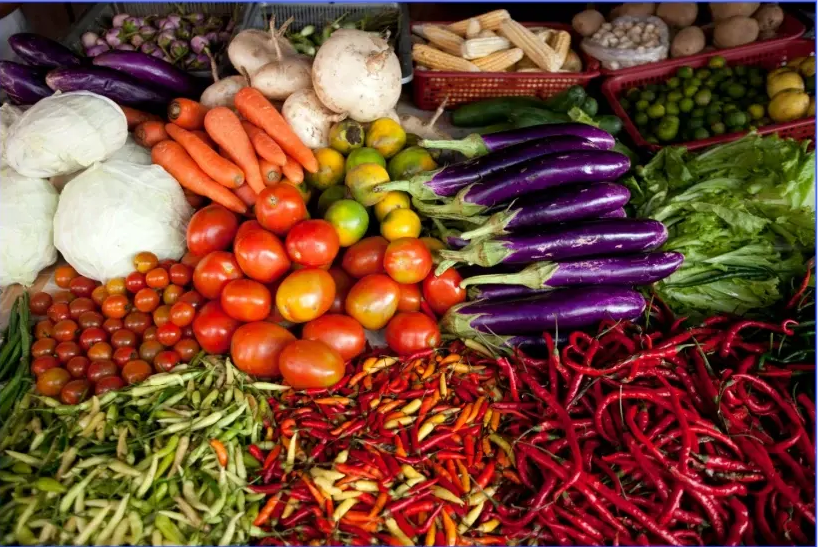
Detoxification is a complex, ongoing function primarily carried out by the liver, supported by the gut and other systems. This process relies on a range of bioactive compounds, including antioxidants, phytonutrients, and enzymes, which help neutralise toxins and facilitate their removal from the body. Certain foods, such as turmeric, broccoli, and other cruciferous vegetables, are known to contain these beneficial compounds. For example, turmeric provides curcumin, a compound associated with antioxidant activity, while cruciferous vegetables contain glucosinolates that support liver detox pathways.
Despite their benefits, obtaining optimal amounts of these compounds through diet alone can be challenging. One reason is that the concentration of active ingredients in whole foods is often relatively low. To reach levels that may significantly influence detoxification processes, an individual would need to consume large quantities of these foods consistently. In practical terms, this is not always realistic or sustainable for most people.
In addition, modern food production and preparation methods can further reduce the availability of these beneficial compounds. Cooking, for instance, can degrade heat-sensitive nutrients and diminish the potency of certain phytonutrients. Similarly, prolonged storage, transportation, and exposure to environmental conditions can lower the nutritional value of fresh produce before it even reaches the plate. As a result, the actual intake of key detox-supporting compounds may be significantly less than expected.
Lifestyle factors also contribute to the increased demand for detoxification support. Exposure to environmental pollutants, processed foods, and daily stress can elevate the body’s toxin load, placing additional pressure on the liver and digestive system. In such cases, relying solely on diet may not be sufficient to meet the body’s increased nutritional needs for optimal detox function.
Nutritional supplements offer a more concentrated and consistent source of these key compounds. By delivering targeted doses of antioxidants, enzymes, and other supportive nutrients, supplements can help bridge the gap between dietary intake and the body’s requirements. This does not replace the need for a healthy diet but rather enhances it, providing additional support where needed.
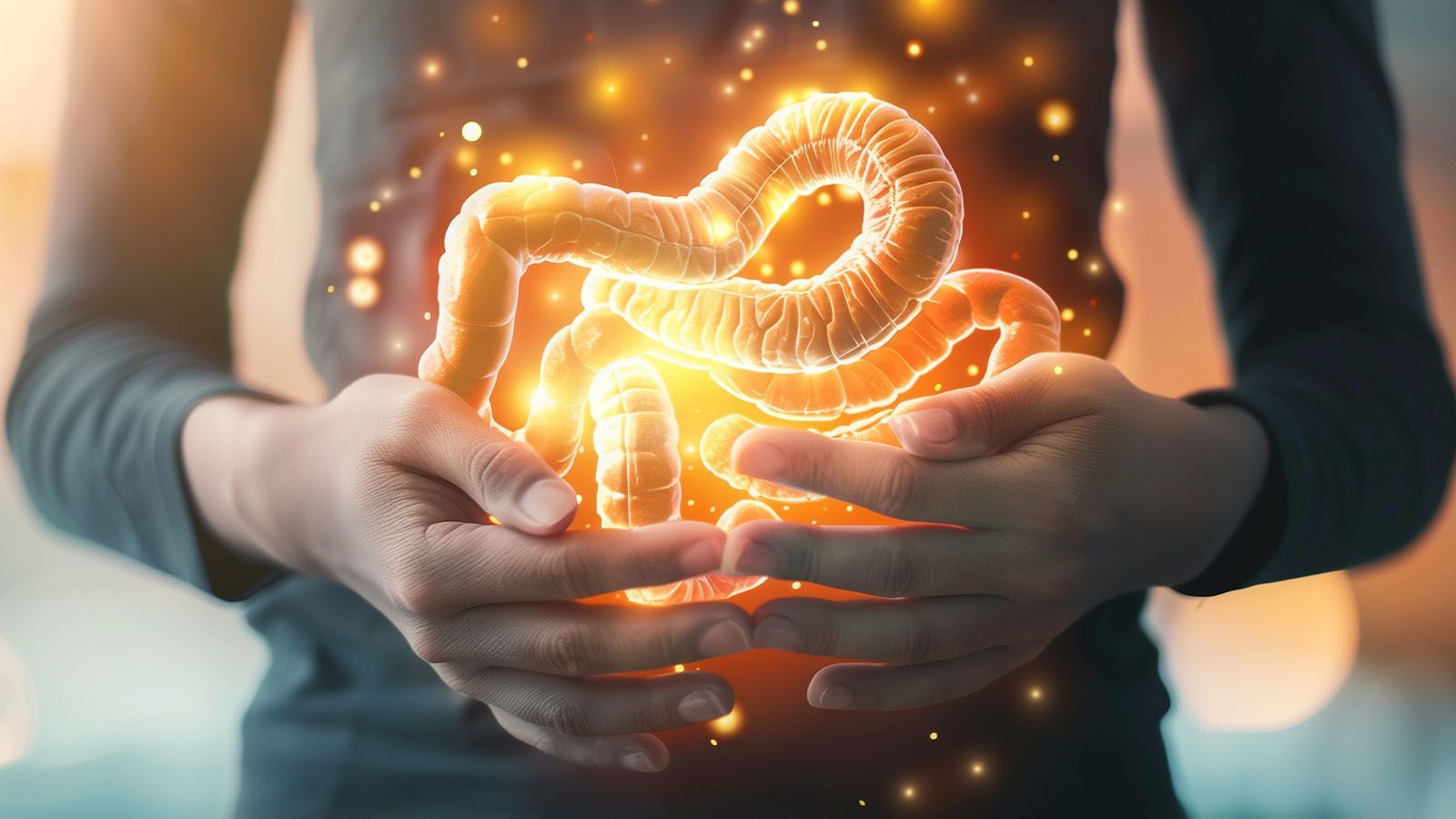
Another important consideration is nutrient absorption. Even when individuals consume nutrient-rich foods, the body must be able to effectively digest and absorb these nutrients. Factors such as digestive efficiency, gut health, and enzyme availability can all influence how much of these compounds are actually utilised. In this context, certain supplement formulations are designed to improve bioavailability, ensuring that the body can absorb and use nutrients more effectively.
It is also important to recognise that supplementation should be approached as part of a broader strategy for maintaining health. A balanced diet, adequate hydration, regular physical activity, and stress management all contribute to the body’s natural detoxification processes. Supplements serve as an additional layer of support, particularly in situations where dietary intake or lifestyle factors may limit nutrient availability.
In conclusion, while a whole food diet remains essential for overall health and detoxification, it may not always provide sufficient levels of key compounds needed to fully support these processes. Factors such as low nutrient concentration, nutrient loss during cooking and storage, and increased environmental demands can all impact the body’s ability to detoxify efficiently. Targeted supplementation offers a practical way to enhance nutrient intake and support the body’s natural systems, helping to maintain balance and promote long-term wellbeing.
The Luxe Skin Reset: An Exclusive Skincare Experience in Burwood, NSW In a world filled with endless skincare products and complicated beauty routines, finding the right products for your individual skin can feel overwhelming. What works beautifully for one person may not be the right choice for another. That is why The Luxe Skin Reset has been created as an exclusive, hands-on skincare experience designed to help you better understand your skin, discover premium skincare ingredients and learn practical ways to support a healthier-looking, more radiant complexion. Taking place at Club Burwood, NSW , this intimate skincare event offers guests 60 minutes of personalised education, skincare discovery and an opportunity to experience premium skincare products featuring advanced NAD technology . What Is The Luxe Skin Reset? The Luxe Skin Reset is an exclusive skincare experience designed for people who want to learn more about their skin and discover a more personalised approach to skincare. Rather than simply purchasing products and hoping they work, guests can explore their skin needs, learn about skincare ingredients and receive professional guidance in a relaxed, intimate setting. The experience combines: Complimentary skin analysis Premium skincare product education Hands-on product demonstrations At-home spa skincare tips Personalised skincare recommendations An instant results demonstration With only 15 seats available , the event is designed to provide an intimate and hands-on experience for attendees.

Discover the Science Behind Isotonix & Modern Wellness at the Market Australia Product Symposium 2026 Exciting news for anyone passionate about health, nutrition, wellness and the science behind premium supplementation — the very first Market Australia Product Symposium 2026 is officially here. Speaker Spotlight: Dr Neo 🌟 We’re thrilled to have Dr Neo, an experienced General Practitioner, speaking at the Australia Product Symposium! With his real-world clinical expertise and practical insights, this is a session you definitely don’t want to miss. 🎟️ Secure your tickets now and be part of an engaging experience packed with valuable knowledge and connections. 📣 Invite people you know who shouldn’t miss this! This landmark online event will bring together health professionals, wellness leaders and experienced product experts for a full day of powerful education, product insights and practical wellness strategies. If you’ve ever wanted to better understand: • how Isotonix products work • the science of nutrient absorption • targeted nutrition and cellular wellness • gut health, immunity and energy support • the future of personalised wellness …this is an event you do not want to miss.
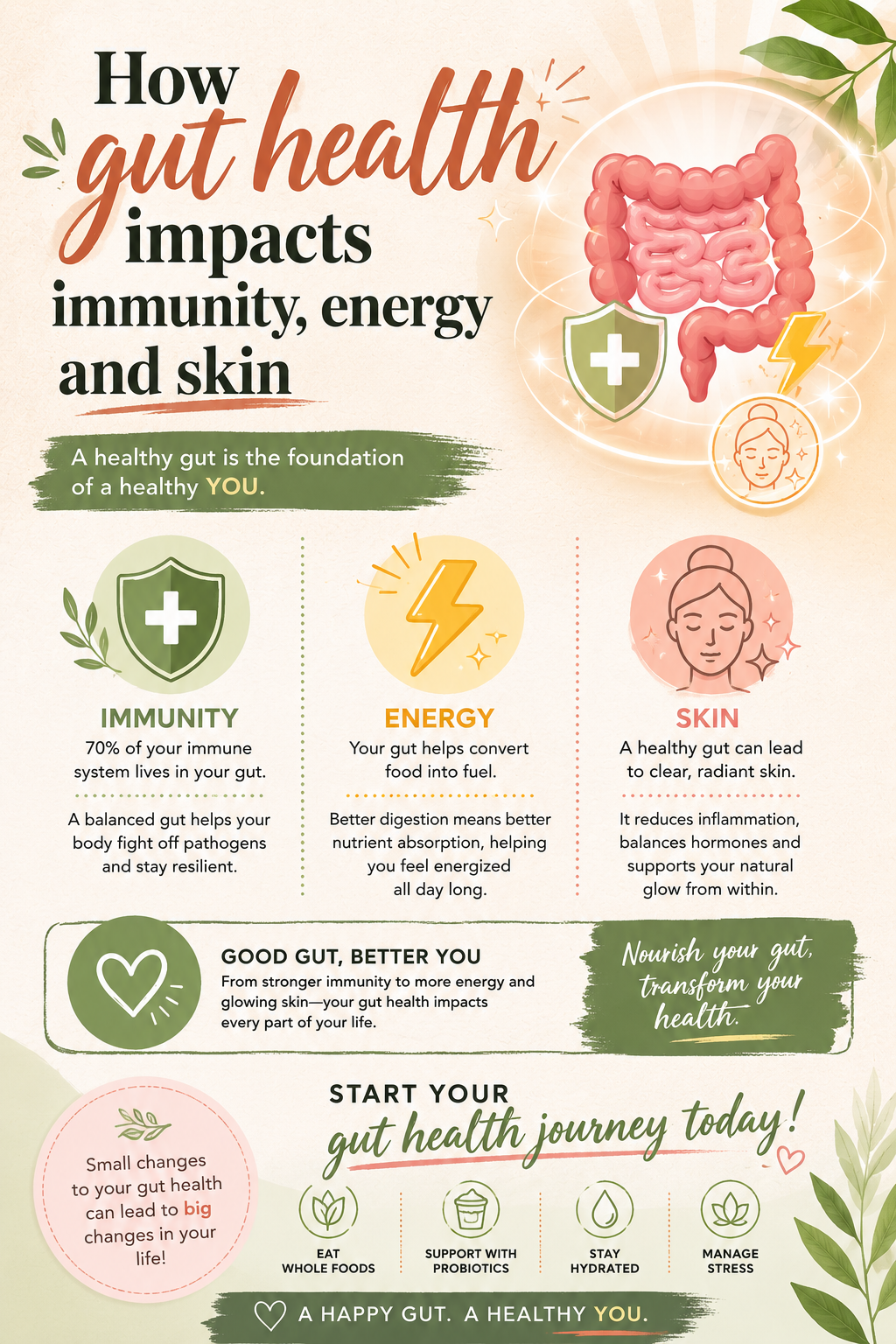
You're Invited to The Gut–Skin–Energy Connection! 📅 *Date:* 27 May 2026 ⏰ *Time:* 8:00PM AEST 📍 *Location:* Online Zoom Event 💡 *Cost:* FREE
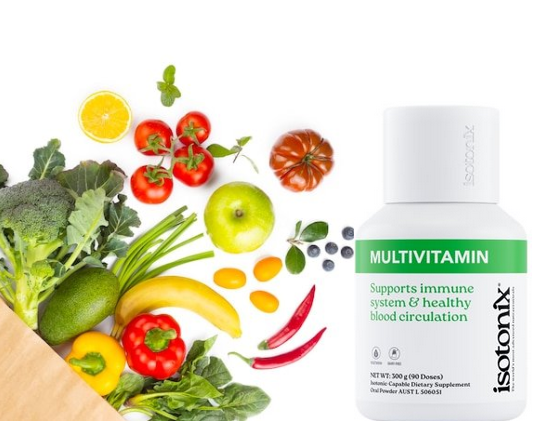
Isotonix Multivitamin: The Smarter Way to Support Daily Health
Learn what glutathione is, how it supports detoxification and immune health, and why levels decline with age. Discover how to support glutathione naturally.
Gut-Liver Axis Detox: Why Digestive Health Is Key to Natural Detoxification
Protecting Your Body from Everyday Stress
Discover the health benefits of Isotonix OPC-3, a powerful antioxidant supplement designed to support circulation, energy, and natural detoxification.