


Australia
Why Digestive Health Is Key to Natural Detoxification
info • April 20, 2026
Gut-Liver Axis Detox: Why Digestive Health Is Key to Natural Detoxification
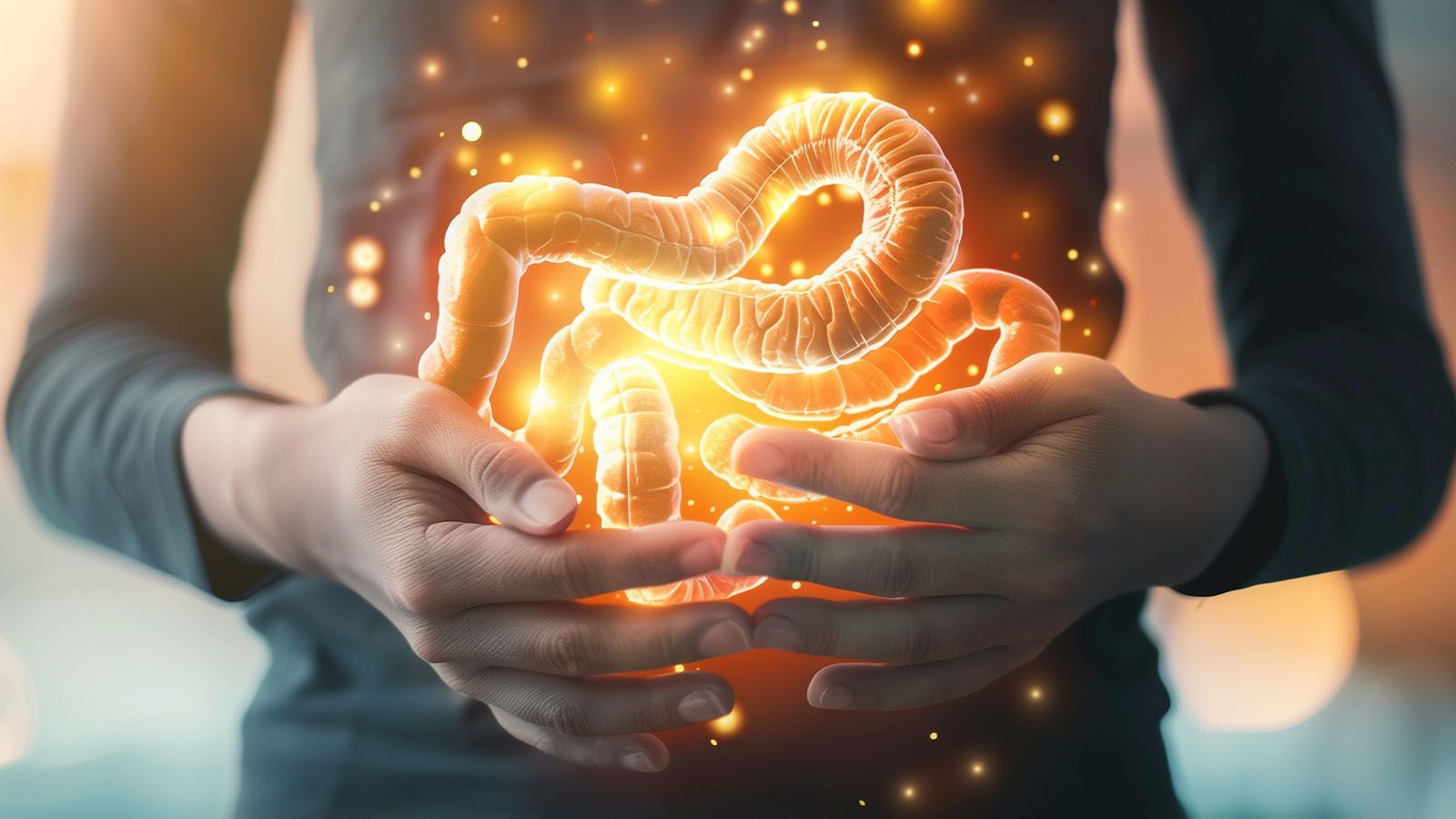
In today’s fast-paced world, many people experience persistent fatigue, bloating, and a general sense of imbalance without fully understanding the underlying cause. While these symptoms are often attributed to poor diet or stress, a deeper and often overlooked factor is the relationship between the gut and the liver. This connection, known as the gut-liver axis, plays a central role in the body’s natural detoxification process and overall well-being.
The gut and liver work in close coordination through a biological pathway that transports nutrients and substances directly from the digestive system to the liver. The gut is responsible for breaking down food, absorbing nutrients, and acting as a barrier against harmful compounds. Once substances pass through the gut, they are sent to the liver, which serves as the body’s primary detoxification organ. The liver processes toxins, converts them into less harmful forms, and prepares them for elimination. This partnership ensures that potentially harmful substances are efficiently managed before they can affect the body.
However, the effectiveness of this system depends heavily on gut health. The gut microbiome, a complex community of trillions of bacteria, plays a crucial role in maintaining digestive balance and supporting detoxification. A well-balanced microbiome helps break down toxins, supports nutrient absorption, and reduces inflammation. When the microbiome is disrupted due to poor diet, stress, or lifestyle factors, the gut becomes less efficient. This can increase the burden on the liver, forcing it to work harder to process excess toxins and potentially impacting overall health.
Modern lifestyles often place additional strain on this delicate system. Exposure to processed foods, environmental pollutants, alcohol, and chronic stress can all contribute to an increased toxin load. As a result, the gut-liver axis may become less efficient, leading to common symptoms such as bloating, low energy, brain fog, and digestive discomfort. These signs are often subtle but indicate that the body’s natural detoxification processes may need support.
One of the most important yet frequently overlooked aspects of detoxification is digestion itself. Effective detoxification begins with proper food breakdown. When digestion is compromised, the body struggles to absorb essential nutrients that are necessary for liver function. Without these nutrients, the liver cannot perform its detoxification processes efficiently. Digestive enzymes play a key role in this process by helping to break down proteins, carbohydrates, and fats into forms that the body can absorb and utilise.
Over time, factors such as ageing, diet, and lifestyle can reduce the body’s natural production of digestive enzymes. This can lead to incomplete digestion, nutrient deficiencies, and increased stress on the gut-liver axis. Supporting digestion, therefore, becomes a foundational step in improving overall detoxification and health.
In addition to enzymes, maintaining a balanced gut microbiome is equally important. Probiotics, which are beneficial bacteria, help restore and maintain this balance. They support digestion, enhance nutrient absorption, and reduce the presence of harmful bacteria that can contribute to toxin production. By combining digestive enzymes with probiotics, it is possible to address both digestion and gut health simultaneously, creating a more supportive environment for the liver.
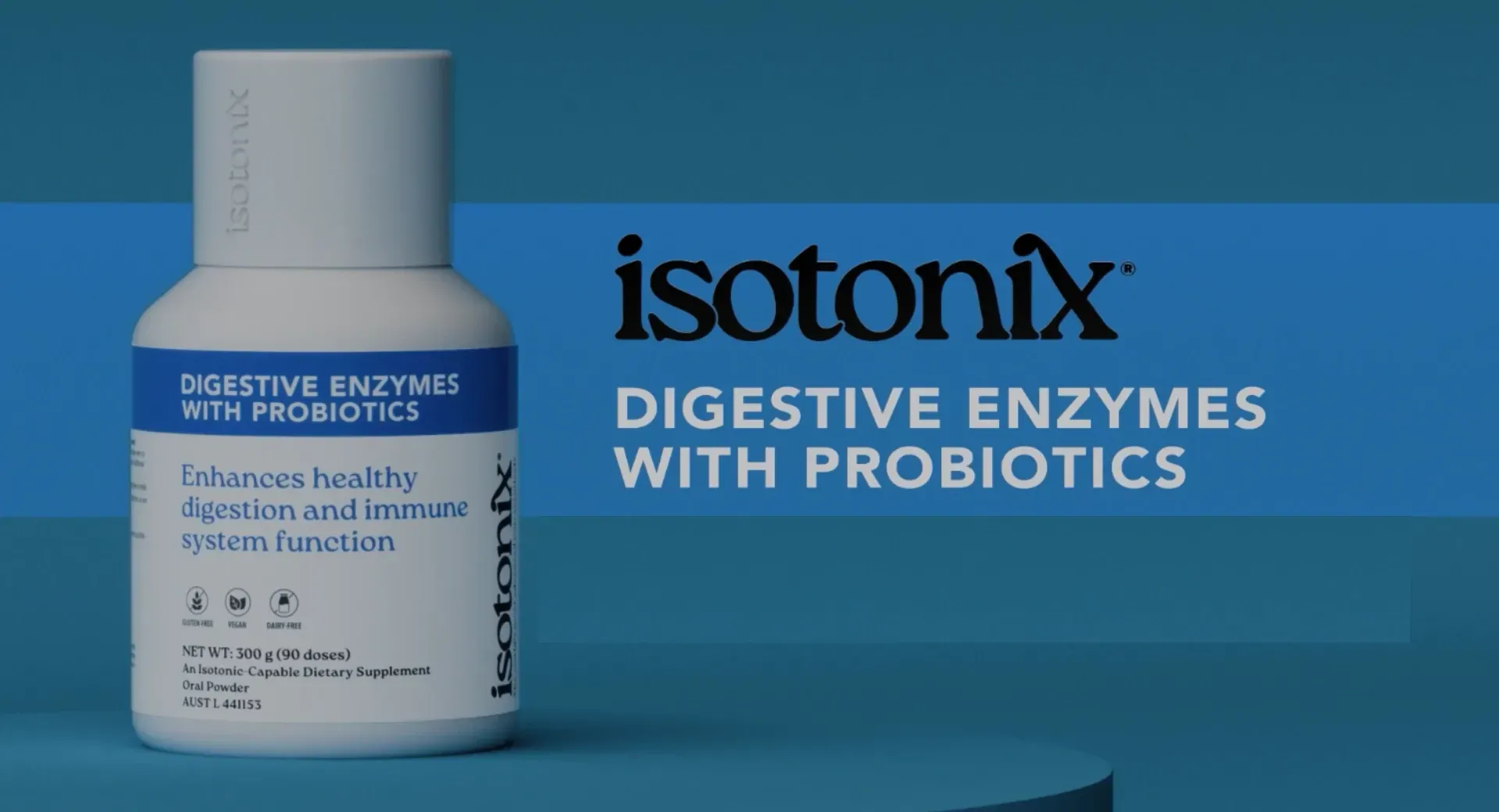
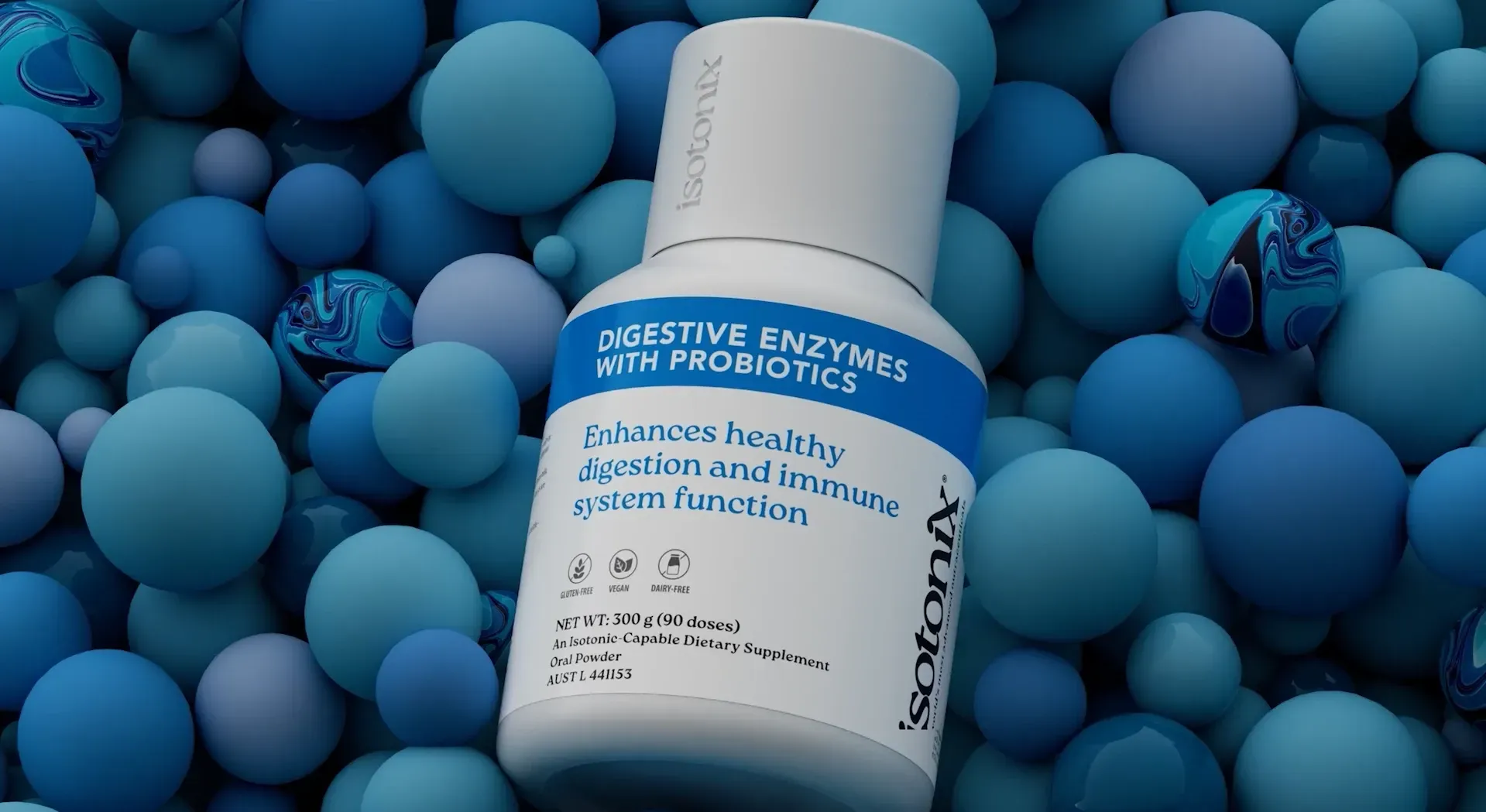
This is where targeted nutritional support can play a meaningful role. A formulation such as Isotonix Digestive Enzymes with Probiotics provides a blend of enzymes to assist in breaking down food, along with beneficial probiotics to support gut balance. By improving digestion and enhancing nutrient absorption, such supplements can help reduce the workload on the liver and support the body’s natural detoxification processes. Additionally, the isotonic delivery system is designed to allow nutrients to be absorbed efficiently, helping the body make better use of what it consumes.
Supporting the gut-liver axis does not require extreme dietary changes or restrictive detox programs. Instead, it involves consistent, sustainable habits. A diet rich in whole foods and fibre helps nourish beneficial gut bacteria, while adequate hydration supports digestion and the elimination of waste. Managing stress is also essential, as it directly impacts gut function and overall health. When combined with appropriate nutritional support, these habits can significantly improve the efficiency of the body’s natural detox systems.
Ultimately, the concept of detoxification should not be viewed as a short-term solution, but rather as an ongoing process supported by daily habits. The gut and liver are at the centre of this process, working together to maintain internal balance and protect the body from harmful substances. By prioritising digestive health and supporting the gut microbiome, individuals can enhance their body’s ability to detoxify naturally and maintain long-term wellbeing.
In conclusion, the gut-liver axis highlights the importance of looking beyond surface-level symptoms and addressing the root causes of imbalance. Supporting digestion, maintaining a healthy microbiome, and ensuring efficient nutrient absorption are key steps in promoting effective detoxification. Through a combination of lifestyle choices and targeted support, it is possible to strengthen this vital connection and build a foundation for better health from within.
The Luxe Skin Reset: An Exclusive Skincare Experience in Burwood, NSW In a world filled with endless skincare products and complicated beauty routines, finding the right products for your individual skin can feel overwhelming. What works beautifully for one person may not be the right choice for another. That is why The Luxe Skin Reset has been created as an exclusive, hands-on skincare experience designed to help you better understand your skin, discover premium skincare ingredients and learn practical ways to support a healthier-looking, more radiant complexion. Taking place at Club Burwood, NSW , this intimate skincare event offers guests 60 minutes of personalised education, skincare discovery and an opportunity to experience premium skincare products featuring advanced NAD technology . What Is The Luxe Skin Reset? The Luxe Skin Reset is an exclusive skincare experience designed for people who want to learn more about their skin and discover a more personalised approach to skincare. Rather than simply purchasing products and hoping they work, guests can explore their skin needs, learn about skincare ingredients and receive professional guidance in a relaxed, intimate setting. The experience combines: Complimentary skin analysis Premium skincare product education Hands-on product demonstrations At-home spa skincare tips Personalised skincare recommendations An instant results demonstration With only 15 seats available , the event is designed to provide an intimate and hands-on experience for attendees.

Discover the Science Behind Isotonix & Modern Wellness at the Market Australia Product Symposium 2026 Exciting news for anyone passionate about health, nutrition, wellness and the science behind premium supplementation — the very first Market Australia Product Symposium 2026 is officially here. Speaker Spotlight: Dr Neo 🌟 We’re thrilled to have Dr Neo, an experienced General Practitioner, speaking at the Australia Product Symposium! With his real-world clinical expertise and practical insights, this is a session you definitely don’t want to miss. 🎟️ Secure your tickets now and be part of an engaging experience packed with valuable knowledge and connections. 📣 Invite people you know who shouldn’t miss this! This landmark online event will bring together health professionals, wellness leaders and experienced product experts for a full day of powerful education, product insights and practical wellness strategies. If you’ve ever wanted to better understand: • how Isotonix products work • the science of nutrient absorption • targeted nutrition and cellular wellness • gut health, immunity and energy support • the future of personalised wellness …this is an event you do not want to miss.
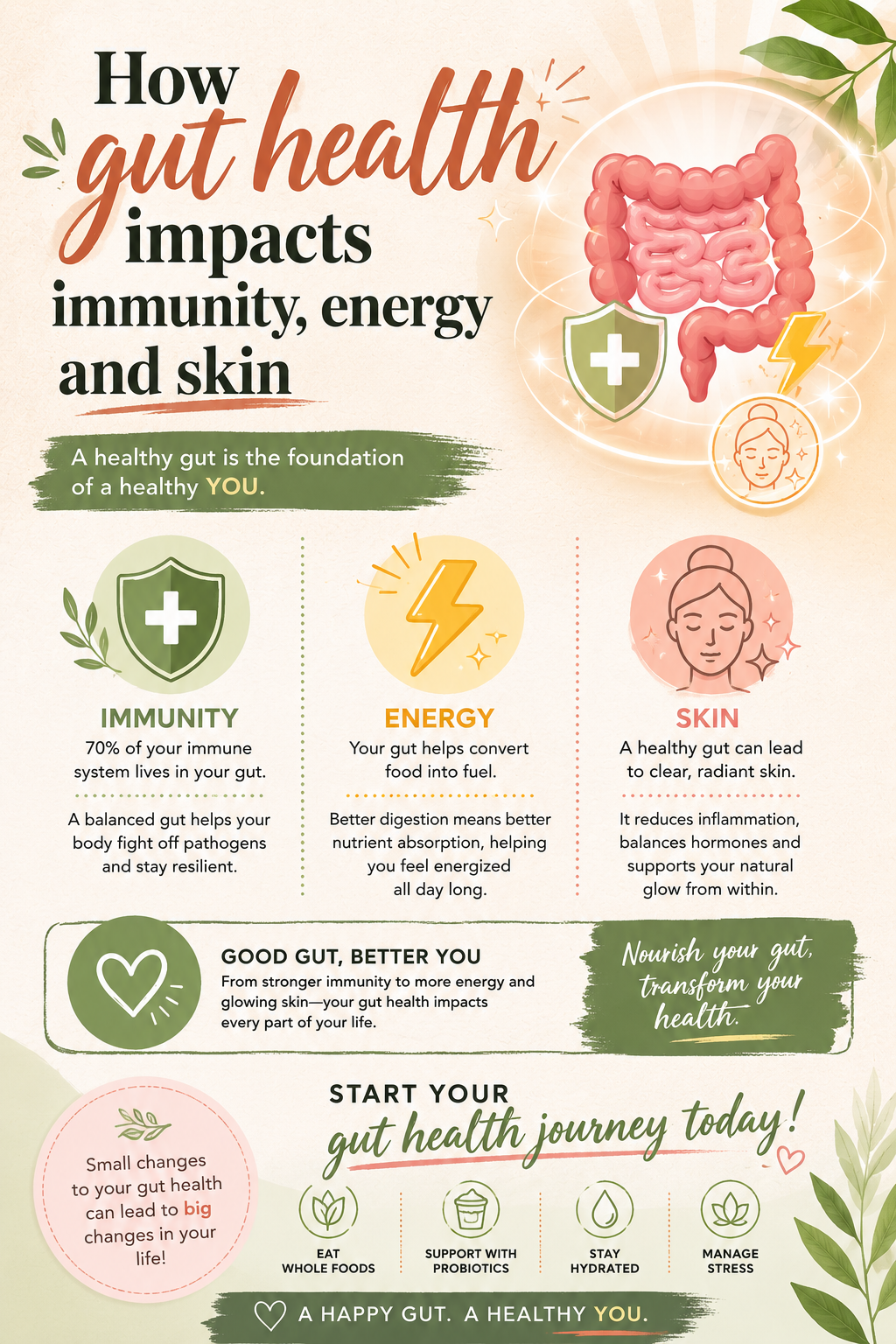
You're Invited to The Gut–Skin–Energy Connection! 📅 *Date:* 27 May 2026 ⏰ *Time:* 8:00PM AEST 📍 *Location:* Online Zoom Event 💡 *Cost:* FREE
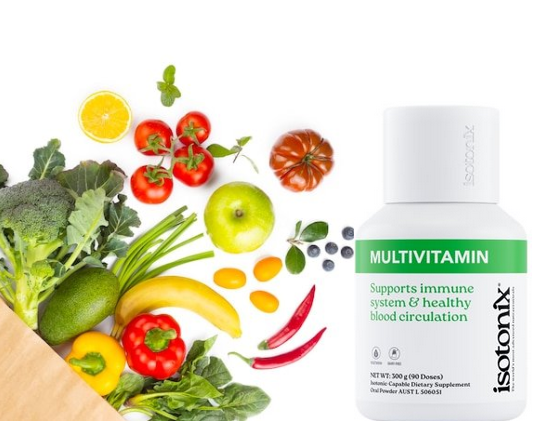
Isotonix Multivitamin: The Smarter Way to Support Daily Health
Bridging the Nutrient Gap for Effective Detox Support
Learn what glutathione is, how it supports detoxification and immune health, and why levels decline with age. Discover how to support glutathione naturally.
Protecting Your Body from Everyday Stress
Discover the health benefits of Isotonix OPC-3, a powerful antioxidant supplement designed to support circulation, energy, and natural detoxification.